Post-Acne Red Spots (PIE) vs Melasma: The Clinical 2% Salicylic Acid and Niacinamide Solution
Dr. Ayesha Siddiqui, MBBS, FCPS (Dermatology)
Consultant Dermatologist / Clinical Science Board
Executive Clinical Brief
Misdiagnosing post-inflammatory erythema (PIE) as standard epidermal melasma leads thousands of Pakistani patients toward damaging hydroquinone and steroid cocktails. Vascular damage requires targeted anti-inflammatory cellular turnover, not cytotoxic bleaching agents. Board-certified dermatologists recommend calibrated 2% Salicylic Acid paired with barrier-stabilizing Niacinamide to decongest follicles and rapidly resolve microvascular flushing.
73%
South Asian Acne Patients Developing PIE
14 Days
Mean Vascular Inflammation Reduction Window
0.0%
Steroids, Mercury, or Toxic Bleaching Fillers
The Cellular Divergence: Microvascular Pooling Versus Melanogenesis
Post-Inflammatory Erythema (PIE) manifests as discrete pink, red, or violaceous macules caused by microscopic capillary dilation and rupture within the papillary dermis following follicular inflammation. In stark contrast, Melasma is a chronic disorder of hyperactive melanocytes driven by UV exposure and hormonal shifts, depositing excess melanin in epidermal and dermal sheets. Pressing a clear glass slide against PIE temporarily blanches the red mark because the trapped blood cells displace under pressure. Melasma does not blanch. Treating vascular trauma with depigmenting tyrosinase inhibitors wastes critical therapeutic windows while leaving underlying capillary distension unresolved.
Treating vascular inflammation with aggressive skin-lightening formulas is a catastrophic clinical error that thins the stratum corneum and permanently ruptures dermal capillaries.
Why Traditional Formula Creams and Abrasives Aggravate Vascular Lesions
In local pharmacies, patients presenting with post-acne redness are routinely sold unregulated topical concoctions containing clobetasol propionate, betamethasone, or heavy metal bleaching agents. While topical corticosteroids produce rapid vasoconstriction that creates an illusion of recovery, they induce severe secondary telangiectasia, follicular atrophy, and rebound steroid rosacea within weeks. Similarly, physical apricot scrubs cause micro-tears across inflamed tissue, driving bacteria deeper into the dermis and converting superficial pustules into permanent, blood-pooled erythema. The compromised epidermal barrier loses water rapidly, locking the skin into an endless cycle of breakouts and inflammation.
Never use steroid-laced whitening jars or coarse seed scrubs on post-breakout skin. Steroid-induced capillary fragility is frequently irreversible without high-cost vascular laser intervention.
The Modern Dermatological Protocol: BHA Decongestion and Niacinamide Stability
Clinical resolution of PIE requires simultaneously halting new inflammatory acne lesions and accelerating cellular renewal without triggering vascular hyperactivity. Lipophilic 2% Salicylic Acid penetrates sebum-filled pores to dissolve follicular plugs and calm acute prostaglandin cascades. When combined with pharmaceutical-grade Niacinamide, this duo inhibits micro-vascular dilation, strengthens ceramides, and suppresses melanosome transfer, effectively preventing red PIE from oxidizing into dark, stubborn Post-Inflammatory Hyperpigmentation (PIH). Clean cosmetic chemistry ensures these actives work synergistically at physiological pH levels without provoking contact dermatitis.
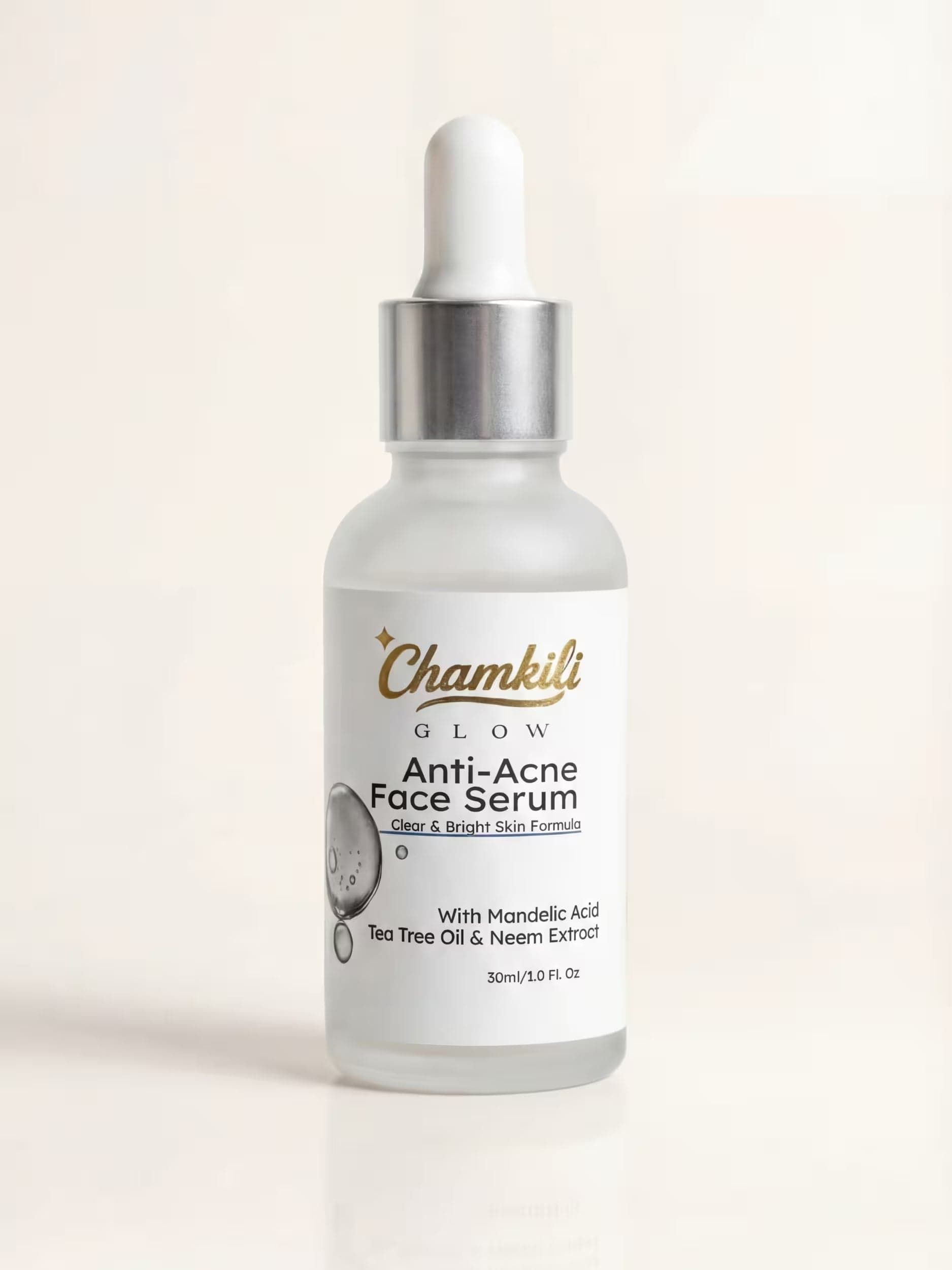
Anti-Acne Face Serum
Chamkili Anti-Acne 2% Salicylic Acid Face Serum delivers lab-certified purity and optimal pH bioavailability, extinguishing follicular micro-inflammation and clearing stubborn post-acne vascular redness without irritating fragile South Asian skin.
Dermatologist Clinical Recovery Protocol
Morning: Cleanse with an ultra-mild, surfactant-balanced wash. Apply a lightweight broad-spectrum SPF 60 mineral-hybrid shield to prevent ultraviolet rays from turning vascular red marks into brown hyperpigmentation. Evening: After cleansing, dispense 3 to 4 drops of clean 2% Salicylic Acid Face Serum onto clean, dry skin. Allow 90 seconds for complete dermal absorption before sealing with a fragrance-free barrier moisturizer. Maintain compliance for a minimum of 6 to 8 weeks.
Share This Public Advisory
Help friends & family protect their skin from harmful local chemicals