Six Beauty Creams Banned in Pakistan Over Toxic Mercury: Clinical Damage and Safe Alternatives
Dr. Ayesha Malik, MBBS, FCPS (Dermatology)
Consultant Dermatologist & Clinical Board Fellow
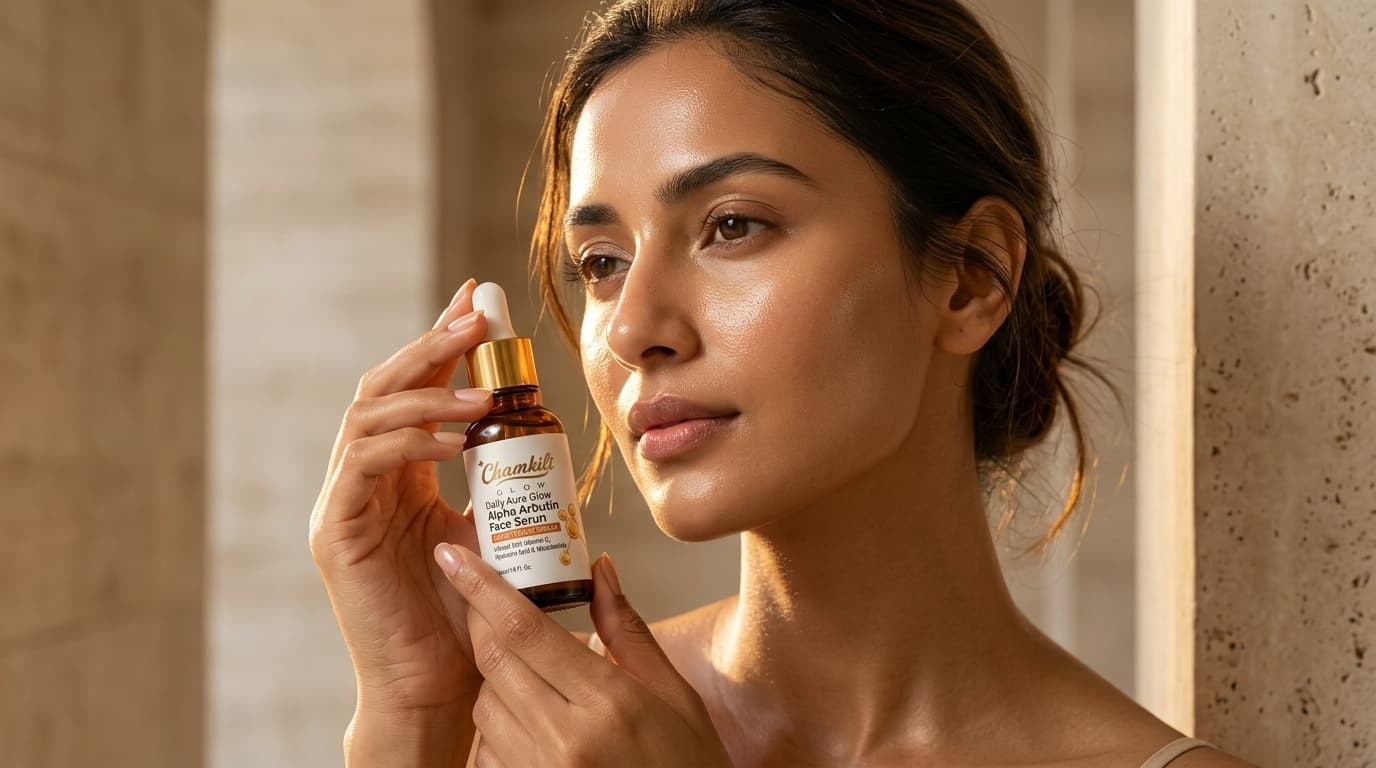
Executive Clinical Brief
Recent laboratory testing by Pakistani health authorities prompted federal bans on six commercial fairness creams containing hazardous concentrations of inorganic mercury and clobetasol propionate. These adulterated topicals deactivate tyrosinase through heavy metal toxicity, which strips epidermal structural integrity and triggers permanent cellular necrosis. Board-certified dermatologists advise immediate cessation of unverified whitening formulations in favor of clinically validated, non-cytotoxic tyrosinase inhibitors.
26,000 ppm
Peak Mercury Content Detected in Banned Formulations
1 ppm
World Health Organization Maximum Legal Threshold
0.0%
Mercury, Steroids, or Toxic Bleach in Chamkili
The Biological Mechanism of Heavy Metal Skin Toxicity
Inorganic mercury salts suppress melanin production by substituting copper ions inside the tyrosinase enzyme binding pocket. This chemical displacement halts melanogenesis through intracellular poison rather than safe cellular regulation. When applied to human skin, mercury compounds cross the stratum corneum, enter systemic capillary circulation, and bioaccumulate in renal tissue. Epidermal cells suffer oxidative collapse, which depletes baseline keratinocyte vitality and degrades collagen scaffolding across the papillary dermis.
Mercury does not brighten human skin through dermatological repair; it destroys melanocytes and accumulates inside your internal organs.
Why Clandestine Whitening Formulations Cause Rebound Hyperpigmentation
Manufacturers of unregulated Pakistani fairness products often blend mercury with high-potency corticosteroids such as clobetasol propionate. Corticosteroids vasoconstrict dermal microvessels, creating an artificial initial appearance of pale skin within seventy-two hours. Prolonged usage induces severe cutaneous atrophy, telangiectasia, and catastrophic rebound hyperpigmentation. When patients discontinue these formulations, the unmasked vascular bed inflames, triggering secondary exogenous ochronosis and refractory melasma resistant to conventional therapies.
Clinical warning: Persistent facial erythema, visible micro-vessels, and slate-gray pigmentation signify advanced steroid-mercury dermatosis.
The Dermatological Protocol: Safe Tyrosinase Modulation
Clinical dermatology regulates hyperactive melanocytes without destroying tissue vitality. Biosynthetic alpha arbutin functions as a competitive, reversible tyrosinase antagonist. Alpha arbutin modulates excess pigment synthesis at 2% concentration without releasing free hydroquinone into living tissue. Pairing purified alpha arbutin with antioxidant-rich Korean rice water provides natural ferulic acid, gamma-oryzanol, and amino acids. This combination soothes barrier inflammation, accelerates epidermal turnover, and brightens post-inflammatory erythema through biochemical nourishment.
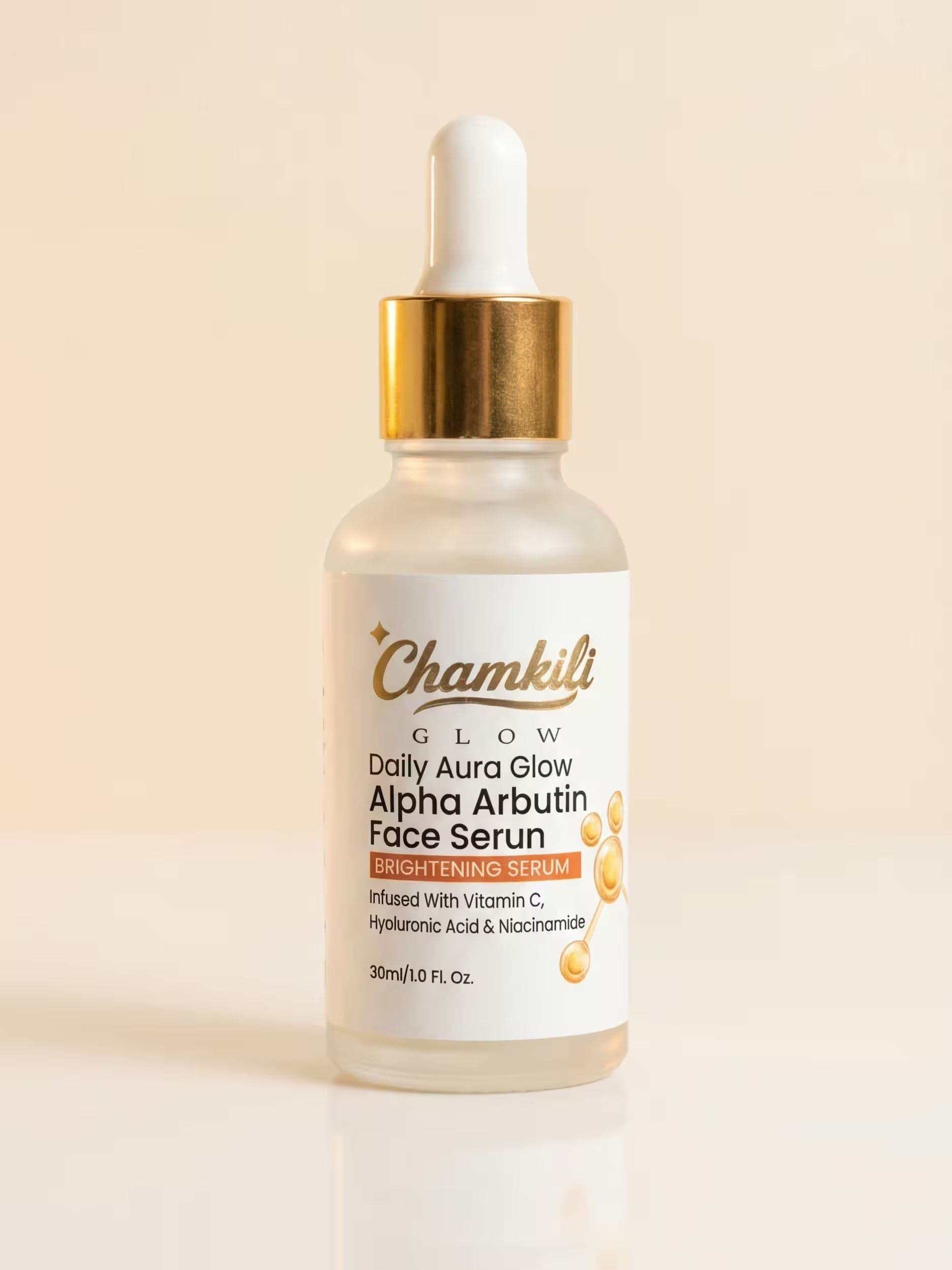
Daily Aura Glow Alpha Arbutin Face Serum
Chamkili Daily Aura Glow 2% Alpha Arbutin & Korean Rice Water Serum delivers lab-certified, zero-mercury tyrosinase modulation that brightens stubborn dark spots while preserving cellular barrier integrity.
Dermatologist Clinical Recovery Protocol
Morning: Cleanse with a mild physiological-pH wash, apply 3 to 4 drops of non-toxic alpha arbutin serum, and seal with broad-spectrum SPF 60 PA+++. Evening: Cleanse, apply targeted arbutin serum, and lock in hydration with a ceramide-rich barrier cream.
Share This Public Advisory
Help friends & family protect their skin from harmful local chemicals